

Our Verdict
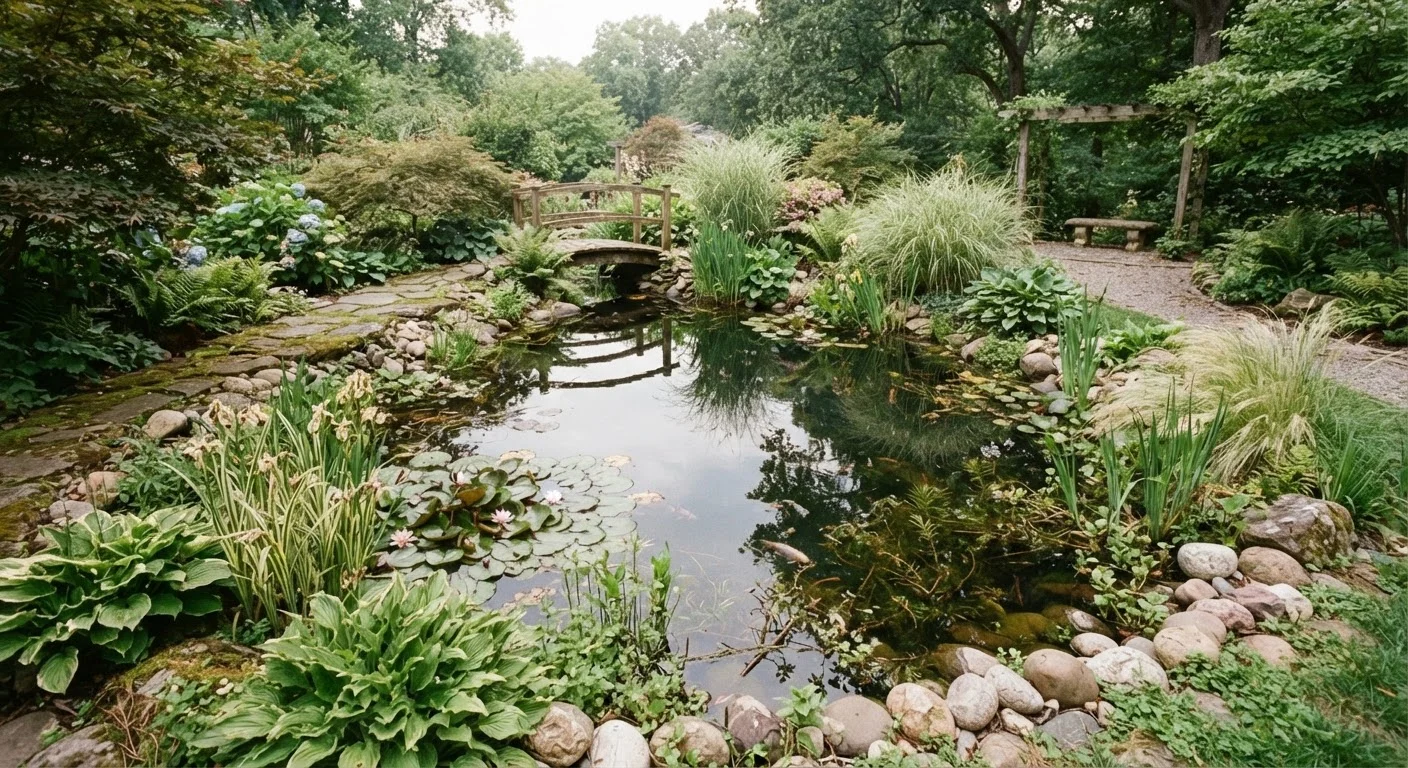
A garden pond is a rewarding feature that can transform an outdoor space into a living ecosystem with real aesthetic impact. However, the ongoing time commitment, upfront cost, and safety considerations mean it suits some homeowners far better than others. Going in with realistic expectations is the key to long-term satisfaction.
Homeowners with moderate outdoor budgets, a willingness to maintain the feature regularly, and no young children at unsupervised risk near the water.
What a Garden Pond Actually Involves
A garden pond is more than a hole filled with water — it's a functioning aquatic system that includes a liner or pre-formed shell, filtration, possibly a pump or fountain, and the plants and animals that inhabit it. Sizes range from compact container ponds under 50 gallons to large in-ground features covering several hundred square feet.
Before weighing the trade-offs, it helps to understand that pond complexity scales quickly. A small wildlife pond with marginal plants and no fish is far easier to manage than a koi pond requiring heavy filtration and precise water chemistry. The type of pond you choose will shape most of the pros and cons that follow.
As you think about how a pond fits into your overall yard design, consider how it interacts with surrounding elements. Our guide on balancing hardscape and softscape can help you plan how a pond integrates with paving, planting beds, and structural features.
The Benefits Worth Considering
A well-placed pond delivers benefits that few other garden features can match.
Adds a striking focal point to the yard
A pond draws the eye and creates a sense of depth and intentionality in an outdoor space, often becoming the defining design element of a garden.
Supports local wildlife and biodiversity
Garden ponds attract frogs, birds, dragonflies, and beneficial insects, significantly increasing the ecological value of even a modest yard.
Provides calming ambient sound and atmosphere
Moving water from a small fountain or waterfall feature creates a sound environment that can reduce perceived street noise and enhance relaxation.
Can increase property appeal
A professionally installed, well-maintained pond is generally viewed as a desirable landscape feature by many buyers, though its effect on resale value varies by market and condition.
Supports aquatic and marginal plants
Water lilies, irises, rushes, and other aquatic plants thrive in pond environments, adding seasonal color and texture not achievable in conventional beds.
Beyond the visual impact, ponds create genuine habitat value. Frogs, dragonflies, beneficial insects, and birds are commonly drawn to garden water features, turning your yard into a more active and dynamic space. For households interested in low-intervention naturalistic gardening, a wildlife pond can become one of the most ecologically productive parts of the yard.
If you're pairing a pond with evening outdoor use, thoughtful lighting around its edges can amplify the reflective effect considerably. See our guidance on outdoor lighting principles for ideas that enhance both ambience and path safety.
The Drawbacks to Plan Around
Ponds come with real responsibilities, and underestimating them is one of the most common reasons homeowners regret the installation.
Requires consistent, year-round maintenance
Algae control, debris removal, water quality testing, and equipment checks are recurring tasks — not a one-time setup. Neglect can lead to murky water, fish loss, or liner damage.
Upfront installation costs can be substantial
Even mid-sized ponds with reliable filtration and quality liners represent a meaningful financial investment, and professional installation adds considerably to that figure.
Poses a real safety risk for young children
Standing water is hazardous regardless of depth. Households with toddlers must invest in protective barriers or choose alternative features until children are older.
Can attract unwanted visitors
Herons, raccoons, and other wildlife may prey on fish or disturb pond plants, requiring deterrent measures that add cost and effort.
Mosquito breeding risk if water stagnates
Still water without adequate circulation or wildlife activity can become a mosquito habitat. A functioning pump and healthy aquatic life typically mitigate this, but it requires attention.
Liner failures can be costly to repair
Punctures, UV degradation, or root intrusion can cause slow leaks that are difficult to locate and may require draining and partial rebuilding to fix.
Drainage context matters here too. If your yard already has low-lying areas or poor drainage, introducing standing water can interact with existing soil saturation. Understanding those dynamics before you dig is worth the time — our article on garden drainage problems explains what warning signs to look for.
~50%
Of pond owners report algae as top maintenance challenge
Industry surveys of water gardening hobbyists consistently cite algae management as the most frequent and frustrating upkeep task for garden pond owners.
2–5 hrs
Typical monthly maintenance time for a small pond
Water gardening resources generally estimate that a modest backyard pond requires two to five hours of hands-on maintenance per month during the active growing season.
Cost and Seasonal Realities
Installation costs for a basic pre-formed pond can start around a few hundred dollars for a DIY project, while custom in-ground ponds with professional excavation, quality liners, and filtration systems can run several thousand dollars or more. Ongoing costs include electricity for pumps, water treatments, fish food if applicable, and periodic liner repairs.
In colder climates, winterizing is a necessary annual step. This typically involves removing pumps, trimming back plants, adding a pond heater or aerator to maintain a small open hole in the ice (critical for fish), and reducing feeding schedules as water temperatures drop. Those in temperate zones can consult our broader guide on making an outdoor space work year-round for how a pond fits into seasonal planning.
A Note on Pond Size and Manageability
Counterintuitively, very small ponds can be harder to maintain than medium-sized ones. Smaller water volumes are more vulnerable to rapid temperature swings, algae blooms, and oxygen depletion — especially if fish are present. A pond of at least 500 gallons tends to achieve a more stable ecological balance. If space is limited, a well-planted wildlife pond without fish is often the most forgiving option.
Safety and Permitting Considerations
Water features carry genuine safety risks that must be addressed proactively. Even shallow ponds — as little as a few inches — pose a drowning hazard for toddlers. Fencing, pond covers, or raised-edge designs are practical mitigation strategies, and some local jurisdictions require permits or barriers for water features above a certain depth or surface area.
Before breaking ground, check with your local building or planning authority about permit requirements. This is especially relevant if you're considering excavation near utility lines, adjacent to property boundaries, or in areas subject to stormwater regulations. The effort of a quick inquiry can prevent costly compliance issues later.
If a full pond feels like too much commitment, consider whether a different hardscape investment — such as updated patio surfaces — might deliver similar curb appeal. Our overview of patio surface options is a useful comparison point.
The content on this site is for informational purposes only and is not a substitute for professional advice. Always consult a qualified professional for guidance specific to your situation.