

Our Verdict
DIY home repair is a practical, money-saving skill for a wide range of routine maintenance tasks. However, certain categories — particularly anything involving electrical panels, gas lines, load-bearing structures, or permitted work — carry risks that go well beyond a bad paint job. Respecting that boundary protects your safety, your home's value, and your legal standing.
Best for homeowners who want to build confidence tackling minor maintenance tasks while knowing clearly when to call a licensed professional.
The Case for Doing It Yourself
Handling routine home repairs yourself can save meaningful money and build genuine self-sufficiency. Many maintenance tasks require only basic tools, widely available materials, and a careful read of reliable instructions. For homeowners willing to invest a modest amount of time, the DIY approach pays off repeatedly over the life of a home.
Saves money on labor costs for simple tasks
Basic repairs like caulking, painting, or replacing a toilet flapper require inexpensive materials and no professional fee. Over a year, these savings can add up to several hundred dollars.
Builds long-term home knowledge and confidence
Homeowners who handle routine maintenance develop familiarity with their home's systems, which helps them spot problems earlier and communicate more effectively with contractors when they are needed.
Allows repairs to be made on your own schedule
Minor issues don't have to wait for a contractor's availability. Addressing a small leak or a drafty window frame promptly can prevent it from worsening between service appointments.
Many cosmetic tasks require no special licensing
Interior painting, trim installation, cabinet hardware replacement, and similar aesthetic work carry no permit requirements and low risk when done carefully with proper preparation.
Tasks well-suited to confident DIYers include: patching small drywall holes, replacing interior door hardware, unclogging drains, re-caulking around tubs and sinks, swapping out light fixtures (with the circuit breaker off), painting interior walls, and fixing a running toilet. For a broader list of routine upkeep tasks worth staying on top of, see our season-by-season maintenance guide.
Where DIY Gets Genuinely Dangerous
The enthusiasm that makes DIY rewarding can also lead homeowners into territory that is regulated, hazardous, or both. The following categories warrant a hard stop before picking up a tool.
Electrical mistakes can cause fires or electrocution
Faulty wiring is one of the leading causes of residential structure fires in the U.S., according to the National Fire Protection Association. Even low-voltage errors can create dangerous fault conditions over time.
Unpermitted work can complicate home sales
Buyers' home inspectors routinely flag unpermitted improvements. Sellers may be required to bring work up to code before closing, sometimes at significant expense.
Insurance may not cover damage from DIY errors
Many homeowner's insurance policies include exclusions for damage resulting from work that required a licensed contractor or permit. A DIY repair gone wrong could result in a denied claim.
Structural errors may not be immediately visible
Improperly repaired load-bearing elements or foundation issues can look fine initially but cause progressive damage over months or years before manifesting as a serious problem.
Gas line errors pose immediate life-safety risk
Gas leaks can lead to explosions or carbon monoxide poisoning. Licensed plumbers and gas fitters are trained and equipped to test for leaks in ways that are beyond the reach of typical homeowner tools.
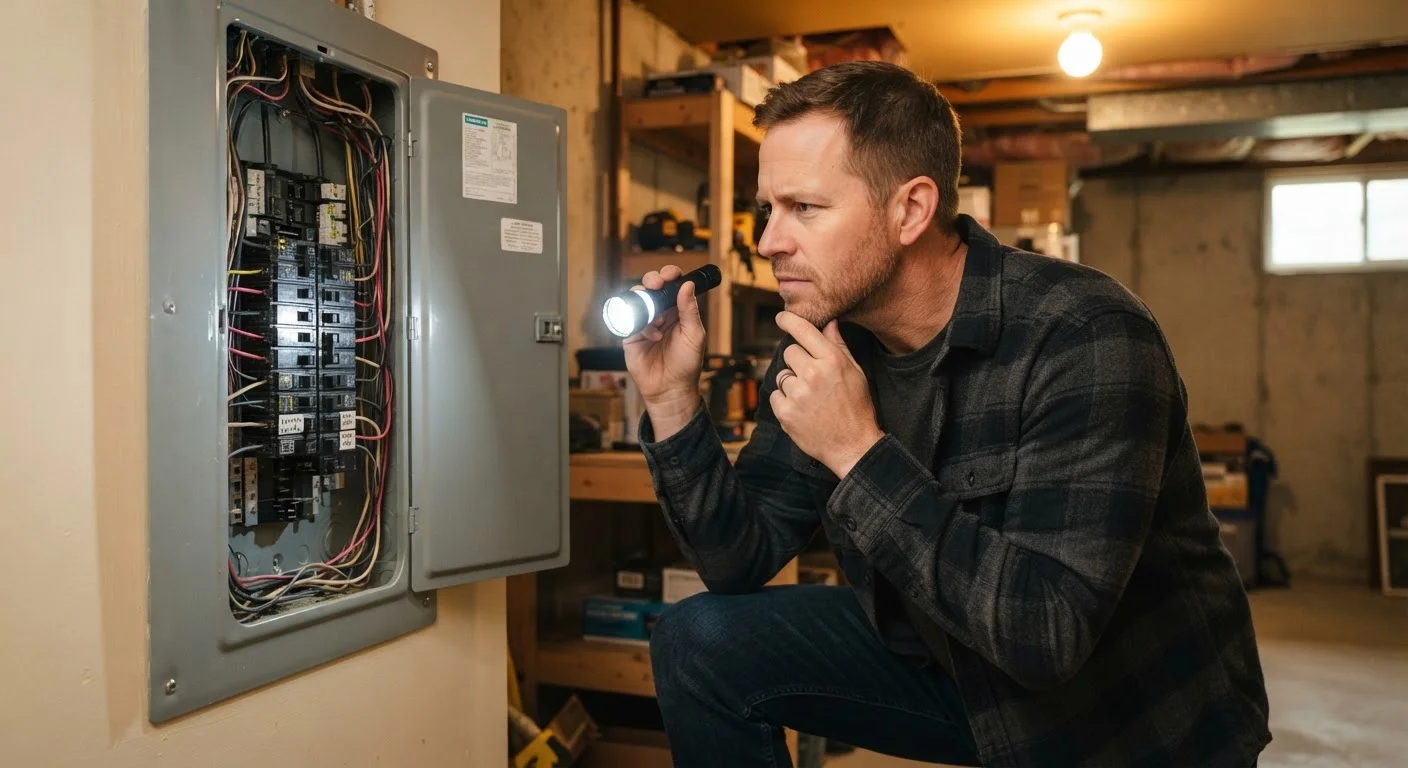
Electrical work beyond simple fixture swaps — including panel upgrades, new circuit runs, or outlet additions — requires permits and a licensed electrician in most U.S. jurisdictions. Improperly completed electrical work is a leading cause of residential fires. Similarly, any work involving gas lines, from rerouting supply pipes to installing a gas appliance, must be handled by a licensed professional; leaks are not always detectable by smell alone. Structural repairs — removing walls, repairing foundation cracks, or altering roof framing — require engineering knowledge and, in most localities, a permit and inspection. Attempting these tasks without proper qualifications can result in work that fails inspection, voids homeowner's insurance, or creates latent hazards that surface during a future sale.
Permits Protect You, Not Just the Rules
Permits exist to ensure that work is inspected by a qualified official before it's concealed behind walls or ceilings. Skipping a permit doesn't just risk a fine — it means no independent check that the work is safe. Always verify permit requirements with your local building department before starting any project that involves electrical, plumbing, HVAC, or structural changes.
For guidance on what you can safely inspect yourself versus when a roofing contractor must be involved, our article on roof maintenance responsibilities is a useful reference.
A Practical Framework for Deciding
When you're standing in front of a problem and wondering whether to call someone, three questions help clarify the decision:
- Is a permit typically required? In most U.S. municipalities, electrical, plumbing-into-mains, HVAC, structural, and roofing work above a certain scope requires a permit. Check your local building department — this is not a step to skip.
- What happens if it goes wrong? A patching error costs you a tube of compound and an afternoon. A wiring error can cause a fire or electrocution. Scale your caution to the consequence.
- Do you have the verified knowledge, not just a tutorial? Video guides are a starting point, not a certification. Be honest about your actual skill level before beginning.
~51%
U.S. homeowners who attempt DIY repairs annually
Survey data from the Harvard Joint Center for Housing Studies suggests roughly half of homeowners undertake at least one DIY improvement or repair project each year.
~$170B
Annual DIY home improvement spending in the U.S.
The Joint Center for Housing Studies has estimated that DIY activity accounts for a substantial share of the overall residential improvement and repair market.
It's also worth questioning assumptions about what "doesn't need maintenance." Many homeowners skip tasks that quietly grow expensive — our article on overlooked maintenance tasks covers the most common oversights. And if you've ever reached for the wrong filler material, understanding grout, caulk, and sealant differences can save you a redo.
The content on this site is for informational purposes only and is not a substitute for professional advice. Always consult a qualified professional for guidance specific to your situation.