

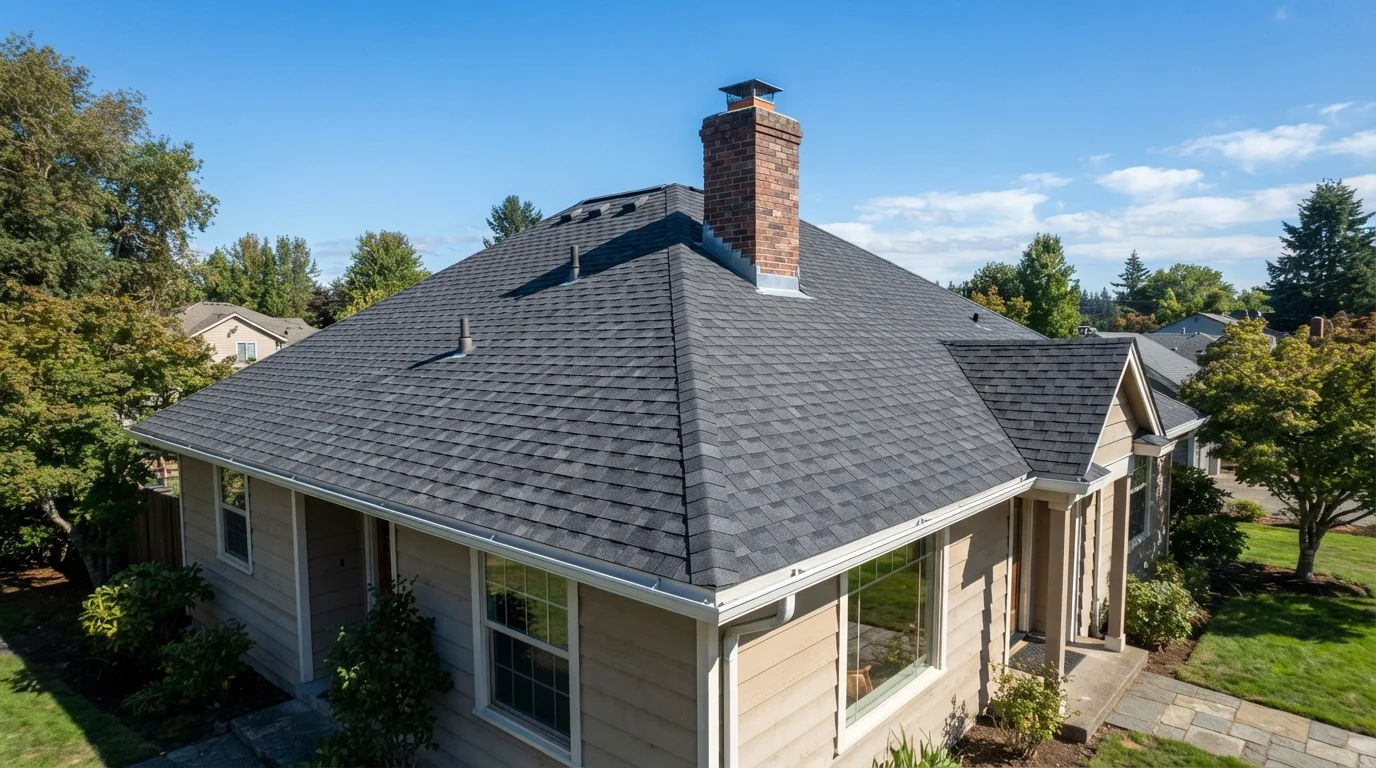
What Homeowners Are Actually Responsible For
Your roof is your home's first line of defense against weather, and maintaining it is squarely the homeowner's responsibility — not your landlord's, HOA's (unless your bylaws say otherwise), or insurer's, unless damage stems from a covered event. Understanding what falls to you, and what requires a licensed professional, helps you stay ahead of problems and avoid voiding any warranties.
| Recommended inspection frequency | Twice per year (spring and fall) plus after major storms |
| Typical asphalt shingle lifespan | 20–30 years with regular maintenance |
| Most common cause of roof leaks | Failed or improperly installed flashing |
| Permit required for full re-roofing? | In most US municipalities, yes — verify locally |
| Granule loss in gutters indicates | Advanced shingle wear; professional assessment advised |
Routine roof maintenance breaks into two categories: observation tasks you can handle from the ground or attic, and hands-on tasks that may require professional involvement. For a broader view of what falls due each season, see our seasonal home maintenance guide.
Safe DIY Checks: What You Can Do Yourself
Many roof maintenance steps require no ladder at all. Start from the ground using binoculars, and check the attic from the inside — both approaches let you spot early warning signs safely.
Ground-Level and Attic Observations
- Look for missing, curling, or buckled shingles — visible from the ground with binoculars.
- Check attic ceilings and rafters for water stains, mold, or daylight coming through — clear signs of breach.
- Inspect insulation for moisture or compression, which can indicate chronic leakage.
- Monitor gutters after rain — granules in the runoff indicate shingle wear. Learn more in our guide on why gutters matter.
Gutter and Downspout Clearing
Clearing gutters is one of the most impactful maintenance tasks homeowners can do twice a year — spring and fall. Clogged gutters force water back under roofing materials and toward the fascia. If you're comfortable on a stable ladder positioned on level ground, this is a manageable DIY task. Always have a second person present when using a ladder.
Never Walk on Your Roof Without Training
Walking on a residential roof without fall-protection equipment and proper footwear is dangerous and can also crack or displace shingles, creating new damage. Most visual inspections can be completed safely from the ground, a stable ladder at the eave line, or through the attic. Leave surface-level roof work to professionals equipped for the task.
Roof Surface Cleaning
Dark streaks on shingles are typically caused by algae. Gentle, low-pressure rinsing can remove surface growth, but pressure washing is not recommended — it strips protective granules from asphalt shingles prematurely. Consult a roofer before applying any chemical treatments.
When You Must Call a Licensed Roofer
Certain tasks are simply too risky or technically demanding for DIY. Attempting structural or high-elevation repairs without training, harnesses, and proper equipment creates serious fall hazards — and faulty repairs can accelerate damage rather than fix it.
Flashing
Thin strips of metal (typically aluminum or galvanized steel) installed at roof joints, around chimneys, skylights, and vents to direct water away from seams. Failed flashing is one of the most common causes of residential roof leaks.
Roof deck
The structural sheathing — usually plywood or OSB (oriented strand board) — that sits beneath the roofing material and provides the surface to which shingles are nailed. Soft or rotting decking is a serious structural concern.
Granules
The small mineral particles embedded in the surface of asphalt shingles. They protect the underlying mat from UV exposure and weathering. Loss of granules indicates the shingle is nearing the end of its service life.
Ice dam
A ridge of ice that forms at the edge of a roof when heat escaping through the attic melts snow, which then refreezes at the colder eaves. Ice dams can force water up under shingles and into the home.
Tasks That Require a Professional
- Replacing or repairing flashing around chimneys, skylights, and vents — improper sealing here is a leading cause of leaks.
- Replacing multiple shingles or sections — matching materials and ensuring weathertight installation requires skill.
- Any work on a steep or high-pitch roof — fall risk is significant without professional safety equipment.
- Structural deck repairs — if decking boards are soft or rotting, the repair involves more than surface materials.
- Full re-roofing — always requires a licensed contractor; most municipalities require permits and inspection.
For a broader look at where DIY ends and professional work begins, see our article on safe versus hazardous DIY repairs.
When hiring a roofer, verify that they carry general liability insurance and workers' compensation coverage, and confirm any permit requirements with your local building department before work begins. First-time homeowners may also benefit from our introduction to routine upkeep for a wider maintenance framework.
This article is for general informational purposes only. Home maintenance tasks involve inherent risks. Always consult a licensed roofing professional before undertaking any repair that involves working at height, altering structural components, or performing work that may require a permit in your jurisdiction.
The content on this site is for informational purposes only and is not a substitute for professional advice. Always consult a qualified professional for guidance specific to your situation.