

Our Verdict
Grout, caulk, and sealant each serve a distinct purpose, and substituting one for another is a common source of early repair failures. The right choice depends on where the gap or surface is located, whether movement is expected, and how much moisture the area endures. Matching the material to the job — rather than reaching for whatever is on hand — is the single most effective way to make your repairs last.
| Best for | Recommended |
|---|---|
| Filling gaps between tiles on walls or floors | Grout |
| Sealing corners, changes in plane, and joints near water | Caulk |
| Protecting porous grout or stone from stains and moisture | Sealant |
| Exterior gaps subject to temperature swings and movement | Caulk (exterior-grade) |
What Each Material Actually Is
These three terms get used interchangeably in hardware stores and DIY videos, but they describe fundamentally different products with different jobs.
Grout is a cement- or epoxy-based filler used to occupy the spaces between tiles. Once cured, it hardens into a rigid material. It holds tiles in alignment, prevents debris from collecting in gaps, and contributes to the finished look of a tiled surface. It is not flexible, and it is not waterproof on its own.
Caulk is a flexible, water-resistant compound — typically silicone, latex, or a hybrid — used to seal joints where two surfaces meet, especially where movement, vibration, or thermal expansion is expected. It cures into a rubbery bead that can compress and stretch without cracking.
Sealant, in the home-improvement context, usually refers to a penetrating or surface-applied coating that protects a porous material — most often grout, natural stone, or concrete — from absorbing moisture and staining agents. It is not a filler; it goes on top of a surface rather than into a gap.
| Grout | Caulk | Sealant | |
|---|---|---|---|
| Primary purpose | Fill gaps between tiles | Seal flexible or moving joints | Protect porous surfaces from moisture |
| Flexibility when cured | Rigid | Flexible, rubber-like | Varies; coating or film |
| Typical location | Tile fields on walls and floors | Corners, edges, changes in plane | Over grout, stone, or concrete |
| Waterproof on its own | No — needs sealing | Yes (especially silicone) | Yes — adds water resistance |
| Approximate lifespan | Decades if sealed and intact | 5–10 years in wet areas | 1–5 years before reapplication |
| DIY-friendly | Moderate skill needed | Generally yes | Yes — brush or spray applied |
Where Each Material Belongs
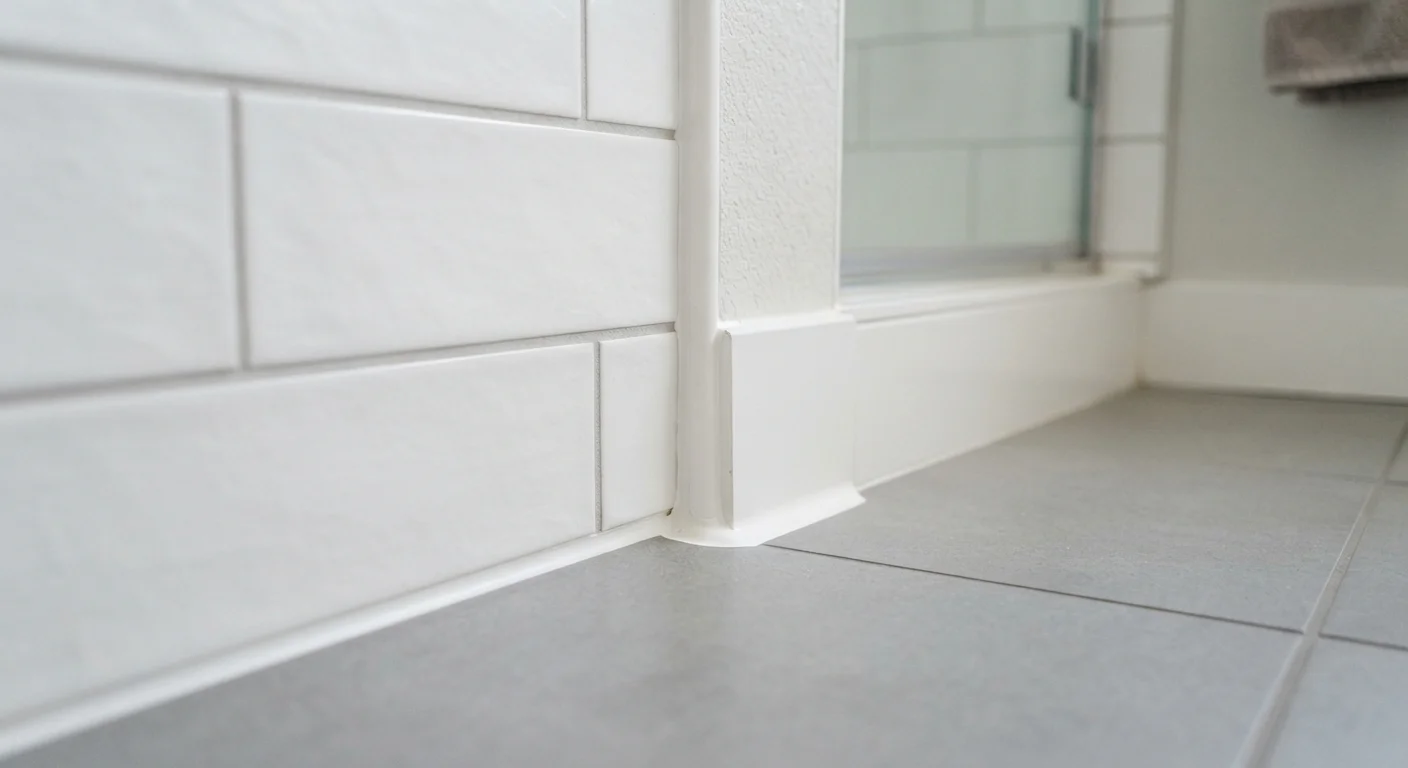
The most common mistake homeowners make is applying grout to a corner or a change-in-plane joint — places where two surfaces meet at an angle or where the tile meets the tub, floor, or countertop. These spots experience movement, and rigid grout will eventually crack there. Those joints need caulk.
A reliable rule of thumb: anywhere you would find an expansion joint in construction, you need a flexible material. That includes:
- The seam where a tile wall meets a bathtub or shower pan
- Inside corners in showers and tub surrounds
- Where flooring meets a baseboard or threshold
- Around sinks, windows, and door frames (exterior and interior)
- Exterior gaps around penetrations — pipes, vents, and utility entries
Grout, by contrast, belongs in the consistent, flat field between tiles where no differential movement occurs — such as the field tiles on a backsplash, bathroom floor, or shower wall.
Sealant belongs anywhere grout or natural stone needs moisture protection. Unsealed grout in a shower can absorb water and harbor mold. Unsealed natural stone like marble or limestone is vulnerable to etching and staining. See our seasonal maintenance checklist for reminders on when to inspect and reseal these surfaces.
Match Your Caulk Color to Your Grout
When caulking the corners of a tiled shower or tub surround, choose a caulk color that closely matches your grout. Many grout manufacturers offer a matching caulk in the same color line. This keeps the installation looking intentional and cohesive while still allowing the joint the flexibility it needs to perform.
How Long Each One Lasts — and When to Replace It
Understanding the typical lifespan of these materials helps you plan maintenance before problems appear rather than after.
Grout in a well-installed, sealed tile installation can last for decades. However, unsanded grout in narrow joints and grout in high-traffic areas may develop hairline cracks or discoloration over time. Minor cracks can be filled with matching grout; severely crumbling grout should be removed and regrouted.
Caulk has a shorter functional life. In wet areas like showers and around tubs, most caulk joints benefit from replacement every five to ten years, or sooner if you notice cracking, peeling, or discoloration. Exterior caulk around windows and doors may need attention every five to seven years depending on sun exposure and climate.
Grout sealant varies by product type. Penetrating sealants generally last one to five years depending on traffic and moisture levels. A simple water-bead test — sprinkle water on the grout and observe whether it beads up or soaks in — tells you whether the sealant is still performing. If the water soaks in quickly, it is time to reapply.
Keeping up with these timelines is a key part of preventive home care. Our guide to DIY home repairs outlines which of these tasks are genuinely manageable for most homeowners and which signal a need for professional help.
Do Not Caulk Over Failing Caulk
Applying fresh caulk on top of old, peeling, or moldy caulk does not solve the underlying problem — it traps moisture and creates a surface that will fail again quickly. Remove old caulk completely using a caulk-removal tool or utility knife, clean the joint thoroughly, allow it to dry fully, and then apply new caulk for a lasting result.
Choosing the Right Formulation
Within each category, there are formulations suited to different conditions. Here is what to keep in mind when selecting a product.
Grout types
- Unsanded grout — for joints less than 1/8 inch wide; commonly used on wall tiles and glass mosaic.
- Sanded grout — for joints 1/8 inch and wider; the sand adds body and reduces shrinkage cracking.
- Epoxy grout — highly stain- and chemical-resistant; requires more skill to apply but is popular for kitchen backsplashes and commercial settings.
Caulk types
- Silicone caulk — excellent water resistance and flexibility; does not accept paint; best for wet areas and exterior use.
- Latex (acrylic) caulk — paintable and easier to tool; less durable in fully wet environments.
- Siliconized latex — a hybrid offering paintability with improved moisture resistance; a common choice for interior joints near but not in wet areas.
Sealant types
- Penetrating (impregnating) sealants — soak into the grout or stone; do not change the surface appearance; generally longer-lasting.
- Topical sealants — form a film on the surface; may slightly enhance sheen; need more frequent reapplication in high-use areas.
For outdoor tiled or paved surfaces, choosing the right protective treatment follows similar logic to selecting materials for the entire surface. If you are considering a broader outdoor project, our patio surface comparison can help you think through durability and maintenance needs from the start.
The content on this site is for informational purposes only and is not a substitute for professional advice. Always consult a qualified professional for guidance specific to your situation.