

Option A
Preventive Care
The proactive, scheduled approach to keeping pets healthy before problems arise.
Best for: Pet owners who want to reduce long-term health risks and avoid costly emergencies through consistent, planned veterinary and at-home care.
Option B
Reactive Treatment
The responsive, as-needed approach to addressing illness, injury, or sudden health decline.
Best for: Addressing acute illness, injuries, or unexpected conditions that arise despite — or in the absence of — a preventive care routine.
What Each Approach Actually Means
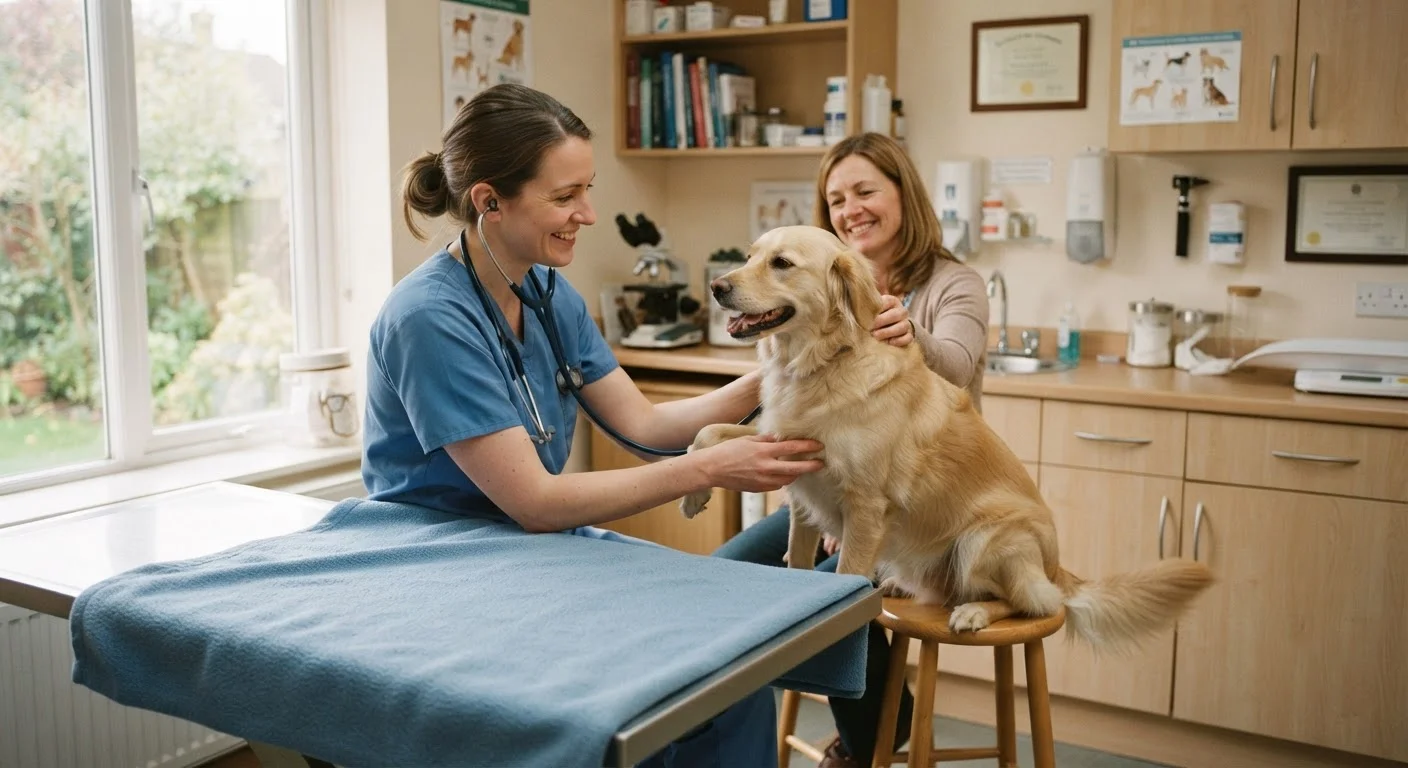
Preventive care refers to the planned, proactive steps taken to protect a pet's health before a problem develops. This includes core and lifestyle vaccinations, internal and external parasite prevention (such as heartworm, flea, and tick control), dental cleanings, spay/neuter procedures, nutritional counseling, and routine wellness exams. These interventions are scheduled — typically on an annual or semi-annual basis — and are designed to detect early warning signs or prevent disease entirely.
Reactive treatment, by contrast, occurs in response to an existing problem. It encompasses emergency veterinary visits for injuries, acute illness, or sudden behavioral or physical changes, as well as ongoing management of diagnosed chronic conditions. Reactive care is often unavoidable — accidents happen, and even well-cared-for pets can develop illness — but it is generally more intensive, more stressful for the animal, and more costly than addressing the same issue at an earlier stage.
Understanding the distinction helps owners see that these aren't opposing philosophies. They are complementary layers of a complete healthcare strategy. As the guide to routine vet visits explains, wellness exams serve as the bridge between the two — a scheduled appointment that can catch developing issues before they require reactive intervention.
| Criterion | Preventive Care | Reactive Treatment |
|---|---|---|
| Timing | Scheduled, before illness occurs | Unplanned, after symptoms appear |
| Goal | Prevent or detect disease early | Diagnose and treat existing condition |
| Examples | Vaccines, dental cleanings, parasite prevention | Emergency visits, surgery, chronic disease management |
| Typical cost trajectory | Regular, predictable, generally lower | Unpredictable, often higher per episode |
| Stress on the animal | Usually low; routine and familiar | Often higher; pain or illness involved |
| Owner control | High — driven by owner scheduling | Low — driven by the pet's condition |
| Long-term health impact | Builds resilience, reduces risk over time | Addresses immediate need; outcomes vary |
Why Timing Is the Critical Variable
The most meaningful difference between preventive and reactive care isn't the type of intervention — it's when it happens. Many conditions that become expensive emergencies are detectable in earlier, more manageable stages. Dental disease, for example, affects a majority of dogs and cats by age three, according to the American Veterinary Dental College. When caught early through routine oral exams and cleanings, it can typically be managed with less invasive treatment than advanced periodontal disease requiring extractions.
The same principle applies to parasite control. Heartworm disease — transmitted by mosquitoes and common across much of the U.S. — is preventable with monthly medication but requires a more complex, multi-month treatment protocol once established. The American Heartworm Society notes that treatment for active infection is significantly more involved than prevention, and carries higher risk for the animal.
~70%
Dogs and cats affected by dental disease by age 3
The American Veterinary Dental College estimates that the majority of pets show signs of periodontal disease by their third year of life.
30+ states
U.S. states where heartworm is considered endemic
The American Heartworm Society reports heartworm disease has been diagnosed in all 50 states, with prevalence highest in warm, humid regions.
~60%
Pet dogs and cats estimated to be overweight or obese
The Association for Pet Obesity Prevention's annual surveys have consistently found a majority of U.S. dogs and cats carry excess weight, increasing chronic disease risk.
This timing dynamic also shapes financial outcomes. Reactive care for advanced illness routinely costs several times more than the preventive measures that might have reduced the risk. Pet owners researching the financial side of this equation may find it useful to review how pet insurance factors into unexpected vet costs.
Building a Preventive Care Routine That Works
Effective preventive care is not one-size-fits-all. The appropriate schedule depends on the pet's species, breed, age, lifestyle, and individual health history. A veterinarian is the right guide for constructing this plan — but understanding the core pillars helps owners participate actively in those conversations.
- Vaccinations: Core vaccines (such as rabies and distemper) are universally recommended; lifestyle vaccines (such as leptospirosis or Bordetella) depend on the pet's exposure risk.
- Parasite prevention: Year-round heartworm, flea, and tick prevention is recommended in most U.S. regions. Intestinal parasite screening should be done periodically.
- Dental care: Annual professional cleanings, combined with at-home brushing where tolerated, help slow disease progression.
- Wellness exams: Annual exams for young, healthy adults; semi-annual exams are often recommended for senior pets or those with known health concerns.
- Weight and nutrition monitoring: Obesity is a leading preventable health risk for pets. Body condition scoring at vet visits helps catch weight gain early.
Lifestyle factors matter too. Indoor and outdoor cats face very different health risks, which directly shapes their preventive care needs. Similarly, spaying and neutering carries both health and behavioral considerations worth discussing with your veterinarian.
New owners in particular should prioritize building these habits early. Common early ownership missteps — including delaying first vet visits or skipping parasite prevention — can have lasting consequences. And while no preventive plan eliminates every risk, having one in place means reactive care, when needed, starts from a stronger baseline.
Planning Ahead Protects Your Pet Too
Preventive care extends beyond medical appointments. Responsible ownership also means having a plan for your pet's care if you become unable to provide it. Consider reviewing guidance on what happens to your pet if something happens to you — an often-overlooked but important aspect of pet guardianship.
This article is for general informational purposes only and does not constitute veterinary advice. Always consult a licensed veterinarian for guidance specific to your pet's health and circumstances.
The content on this site is for informational purposes only and is not a substitute for professional advice. Always consult a qualified professional for guidance specific to your situation.