

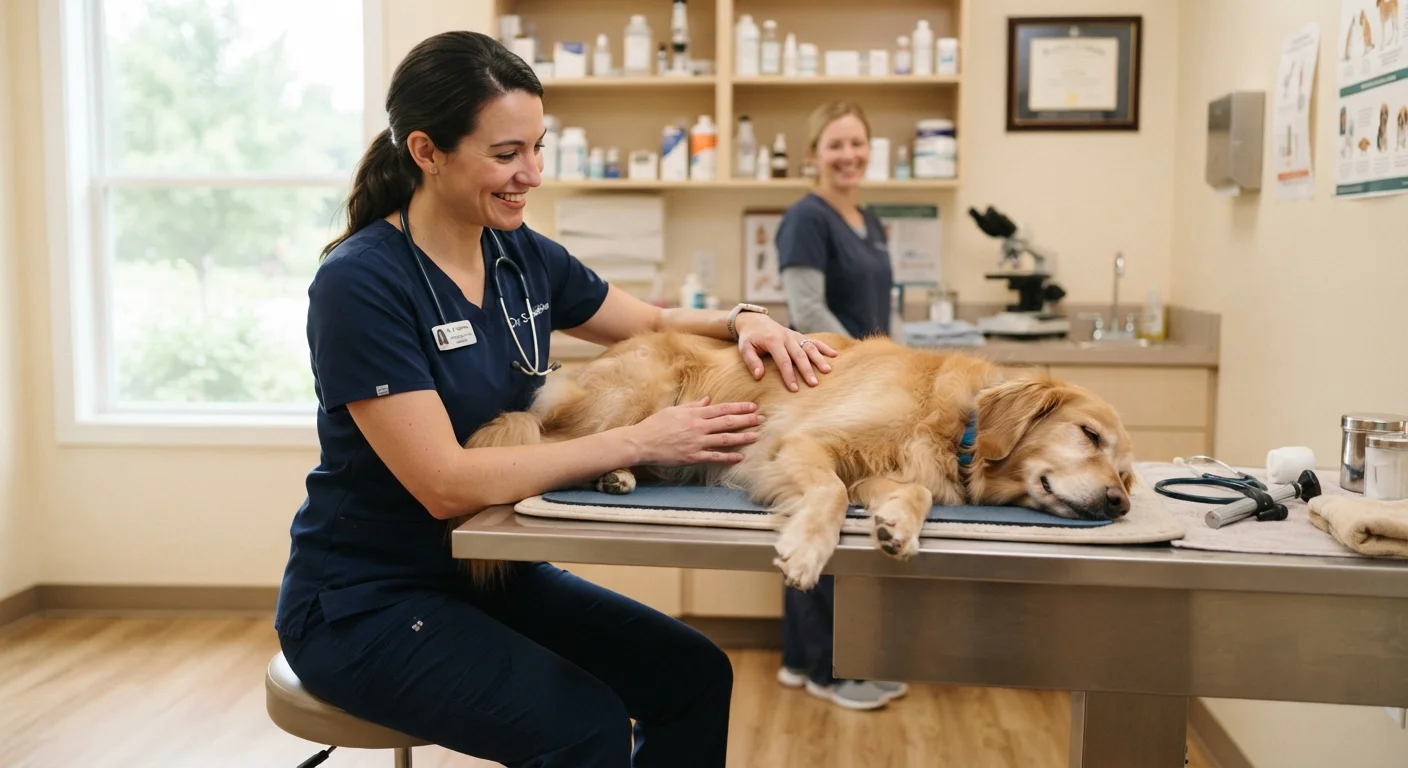
Why Routine Vet Visits Matter
Routine veterinary visits — often called wellness exams — are the foundation of responsible pet ownership. Unlike humans, pets cannot describe where something hurts or when they started feeling off. Animals also instinctively conceal signs of illness, which means conditions can progress significantly before an owner notices anything unusual.
A trained veterinarian can detect subtle changes in weight, heart rhythm, coat quality, and organ function during a physical exam long before symptoms become obvious at home. This is the core value of preventive care: catching problems early, when options are broader and outcomes are generally better. For a deeper look at why proactive care outperforms reactive treatment, see our guide to preventive vs. reactive pet healthcare.
1 in 3
Pets with a condition detectable at wellness visits
The American Veterinary Medical Association notes that many conditions found at routine exams show no obvious symptoms at home.
70%
Pets over age 3 with some form of dental disease
According to the American Veterinary Dental College, periodontal disease is among the most common diagnoses in dogs and cats.
2x/year
Recommended visit frequency for senior pets
Veterinary organizations generally advise biannual exams for pets aged 7 and older due to accelerated health changes.
How Often Should Your Pet See the Vet?
Frequency depends on your pet's species, age, and health status. General guidelines from veterinary organizations suggest:
- Puppies and kittens: Every 3–4 weeks from about 6–8 weeks of age until roughly 16 weeks, to complete initial vaccine series and monitor development.
- Healthy adult dogs and cats (1–7 years): Once annually for a wellness exam and vaccine boosters as needed.
- Senior pets (7+ years, or earlier for large-breed dogs): Every 6 months, as age-related conditions such as arthritis, kidney disease, and dental disease accelerate.
- Exotic pets (rabbits, birds, reptiles): At least annually, but check with a veterinarian experienced in that species — schedules vary considerably.
Pets with chronic conditions may need more frequent monitoring. Your veterinarian will help set a schedule tailored to your individual animal.
What Happens During a Wellness Exam
Many owners are surprised by how thorough a routine exam actually is. A standard wellness visit typically includes:
- Weight and vitals check: Body weight, temperature, heart rate, and respiratory rate establish a baseline and flag changes over time.
- Head-to-tail physical assessment: The vet examines eyes, ears, nose, mouth, lymph nodes, skin, coat, abdomen, limbs, and joints. Oral health is a common area of concern — dental disease is one of the most frequently diagnosed conditions in pets and is often detectable early.
- Vaccination review: The vet will confirm which vaccines are due based on your pet's lifestyle and local disease risk.
- Parasite screening: This may include fecal testing for intestinal parasites and discussion of flea, tick, and heartworm prevention.
- Nutritional and behavioral discussion: Changes in appetite, thirst, elimination habits, or temperament are all clinically relevant.
The exam is also your opportunity to raise anything you've observed at home. Learning to read your pet's signals can improve the quality of information you share with your vet — our article on reading your pet's body language can help you notice meaningful cues.
Questions to Bring to Every Appointment
Vet appointments can feel rushed, especially in busy practices. Preparing a short written list beforehand ensures you don't leave with unanswered concerns. Consider asking about:
- Whether your pet's weight is appropriate and how to adjust diet if needed
- Any behavioral changes you've noticed — increased anxiety, aggression, or lethargy
- Which parasite preventives are recommended for your region and pet's lifestyle
- Whether any lab work (bloodwork, urinalysis) is recommended at this stage
- Signs to watch for at home that should prompt an earlier visit
Keep a simple health journal between appointments — note changes in appetite, thirst, energy, or elimination habits with rough dates. This turns vague concerns into actionable information for your vet.
Vets make better diagnostic decisions when owners can describe the timeline and pattern of changes rather than just noting that something seems 'off.'
Ask your vet to show you where to find your pet's lymph nodes and how to feel for normal vs. swollen. Basic home checks between visits can prompt earlier action when something changes.
Empowering owners with simple hands-on skills extends the monitoring window beyond clinic walls, which is especially valuable for detecting early illness in stoic animals.
Consistent feeding routines also affect what your vet finds during an exam. Understanding how meal timing and portion sizing shape your pet's wellbeing can give your questions more context.
How to Prepare Your Pet for the Visit
Reducing stress before and during the appointment benefits both the pet and the quality of the exam. A calm animal is easier to assess accurately. Practical steps include:
- Carrier familiarization: Leave the carrier out at home days before the visit so cats and small animals can explore it without pressure.
- Short practice trips: For car-anxious pets, brief, uneventful drives help reduce the association between travel and the clinic.
- Bring records: If you're visiting a new clinic, bring previous vaccine records, any medications your pet takes, and notes on recent changes.
- Avoid feeding large meals immediately before: Some pets experience motion sickness or need to be fasted for certain procedures — confirm with the clinic in advance.
If your pet shows signs of significant fear or aggression during vet visits, speak with your veterinarian about fear-free handling techniques or pre-visit calming strategies. These are widely recognized tools in modern veterinary practice.
After the Appointment: Following Through
The value of a wellness exam depends on what happens next. After each visit, make sure you:
- Understand any recommendations and their timelines — ask for written discharge notes if helpful
- Schedule any follow-up appointments or lab work before leaving the clinic
- Fill any prescribed medications promptly and administer them as directed
- Note the date of your next recommended wellness visit and add it to your calendar
Consistent follow-through transforms a single appointment into an ongoing health partnership. If you're new to pet ownership and want broader guidance on building healthy routines from day one, see The New Pet Owner's Roadmap. For the full picture of what responsible pet ownership involves, our hub covers everything from legal considerations to community responsibilities.
This article provides general educational information about pet care and is not a substitute for professional veterinary advice. Always consult a licensed veterinarian for guidance specific to your pet's health needs.
The content on this site is for informational purposes only and is not a substitute for professional advice. Always consult a qualified professional for guidance specific to your situation.