

Our Verdict
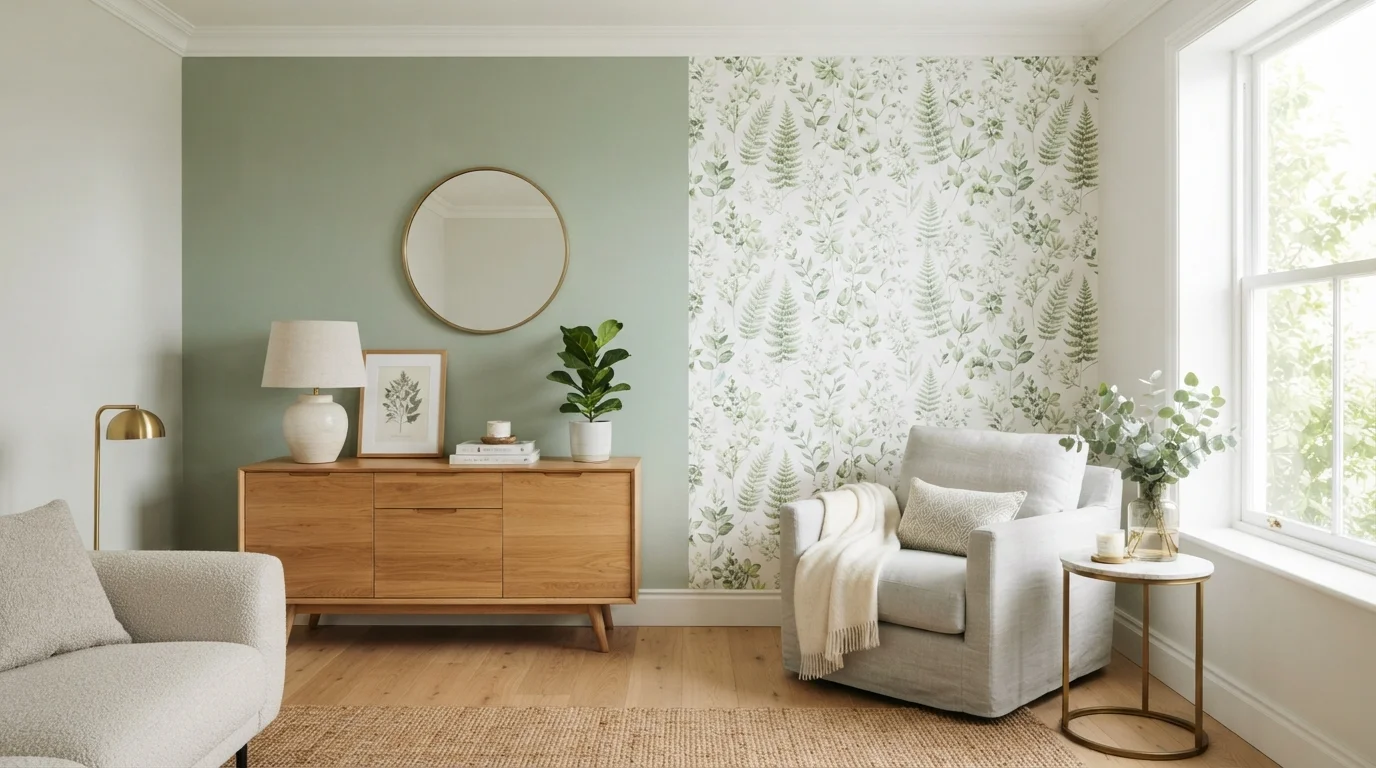
Paint and wallpaper are both capable wall treatments — the better choice comes down to your specific room, budget, and how long you plan to stay. Paint wins on simplicity and flexibility; wallpaper wins on texture, longevity, and visual impact. Many designers recommend combining both for the most dynamic results.
| Best for | Recommended |
|---|---|
| Budget-conscious homeowners wanting quick updates | Paint |
| Those seeking bold patterns or textured, long-lasting finishes | Wallpaper |
| Renters who need reversible solutions | Peel-and-stick wallpaper |
| Homeowners wanting a layered, high-design look | Paint + wallpaper accent wall combined |
Cost and Application: What Each Option Actually Demands
Paint consistently comes out ahead on upfront cost. A gallon of interior latex paint covers roughly 350–400 square feet, and even premium paints tend to be a fraction of the cost of wallpaper by square footage. Beyond materials, painting a standard room is a manageable DIY project for most homeowners — requiring a weekend, basic tools, and a steady hand.
Wallpaper involves more variables. Material costs range widely depending on whether you choose vinyl, fabric-backed, or natural fiber options. Professional installation adds significantly to the total, and improper hanging — bubbles, misaligned seams, or poor adhesion — is difficult to fix. That said, quality wallpaper installed correctly can last 10–15 years or more, potentially making it cost-effective over time.
Start Small with Wallpaper
If you're drawn to wallpaper but nervous about commitment, consider papering just one accent wall. This limits material use, reduces installation complexity, and still delivers strong visual impact — especially in dining rooms or behind a bed headboard.
If you're drawn to wallpaper but nervous about commitment, consider papering just one accent wall. This limits material use, reduces installation complexity, and still delivers strong visual impact — especially in dining rooms or behind a bed headboard.
Durability, Maintenance, and Room Suitability
Paint's performance varies dramatically by finish. Flat and matte finishes absorb light beautifully but scuff easily — better suited to low-traffic areas like bedrooms. Satin and eggshell finishes strike a practical balance for living rooms and hallways, while semi-gloss holds up well in kitchens and is easy to wipe clean. Bathrooms benefit from moisture-resistant formulations.
Wallpaper in high-humidity rooms requires careful selection. Vinyl-coated wallpapers resist moisture reasonably well, but paper-only options can peel or grow mold in poorly ventilated bathrooms. In living rooms, dining rooms, and bedrooms, quality wallpaper is extremely durable and hides surface imperfections that paint would expose.
| Paint | Wallpaper | |
|---|---|---|
| Upfront material cost | Lower | Higher |
| DIY difficulty | Moderate — manageable for most | Higher — seams require precision |
| Typical lifespan | 5–10 years | 10–15+ years |
| Design variety | Broad color range | Color, texture, and pattern |
| Moisture resistance | Good with correct finish | Varies — vinyl performs best |
| Reversibility | Easy to repaint | Removal can be labor-intensive |
| Renter-friendly | Yes, in most leases | Only with peel-and-stick options |
For color planning before you commit to either treatment, understanding undertones will help you choose shades that work with your lighting and furnishings — see our guide on choosing the right wall undertone for practical guidance.
Design Flexibility and Special Situations
Paint offers near-unlimited color range and the freedom to change direction relatively quickly — repainting is measured in days, not weeks. It works on virtually any wall surface and integrates easily with architectural details like trim, moldings, and built-ins. If you enjoy refreshing your space every few years, paint accommodates that impulse well.
Wallpaper's strength is in depth and detail. Texture, repeat patterns, murals, and metallic finishes are difficult or impossible to replicate with paint alone. A well-chosen wallpaper can define an entire room's personality. For those building a more permanent design vision, wallpaper is a serious tool. For a thorough grounding in how color and pattern interact in interior spaces, this complete color reference covers the principles behind confident choices.
Renters occupy a unique position: traditional wallpaper typically violates lease agreements, but peel-and-stick removable options have improved dramatically in quality. For more deposit-safe ideas, see renter-friendly personalisation strategies.
The content on this site is for informational purposes only and is not a substitute for professional advice. Always consult a qualified professional for guidance specific to your situation.