

What Is Defensive Driving?
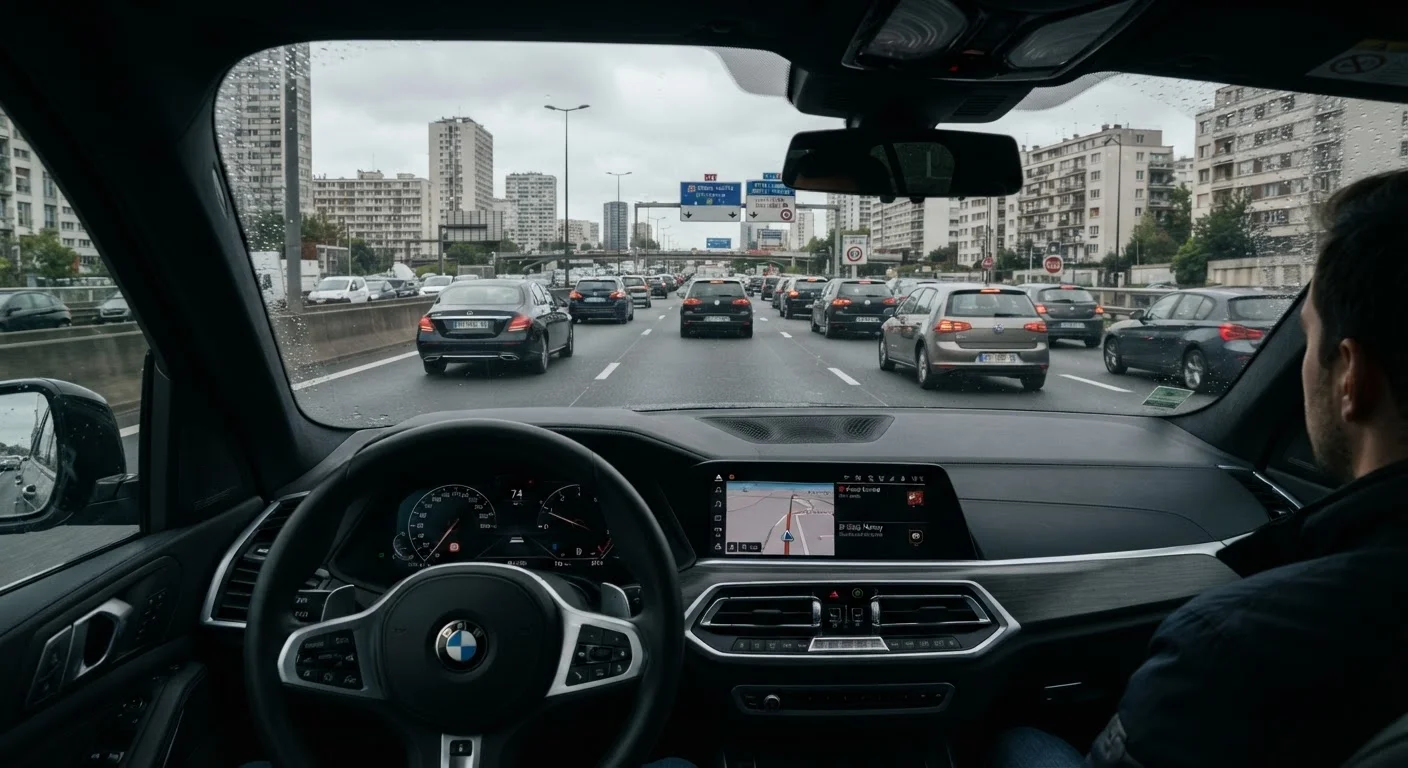
Defensive driving is a proactive approach to vehicle operation that prioritises anticipation, awareness, and controlled decision-making. Rather than simply obeying traffic laws and reacting when something goes wrong, a defensive driver actively reads the road environment and adjusts behaviour to reduce the likelihood of a collision — even when other drivers make errors.
The concept is grounded in a straightforward premise: you cannot control other drivers, road conditions, or mechanical failures, but you can control how well-prepared and attentive you are at any given moment. This mindset shift — from passive participant to active risk manager — is what separates defensive driving from ordinary driving.
Defensive driving is also distinct from aggressive or evasive driving. It does not mean swerving at the last second or braking hard to avoid a rear-end collision. Those are reactive responses. True defensive technique means you have already created conditions — distance, speed, positioning — that give you time and space to respond calmly before a crisis develops.
Defensive Driving Is an Active Mental Commitment
It is possible to know every defensive driving principle and still drive inattentively on a routine commute. Applying these skills requires deliberate engagement on every trip — not just during unfamiliar or obviously hazardous conditions. The moments when you feel most comfortable are often when vigilance is most needed.
The Core Principles of Defensive Driving
Several interconnected principles underpin defensive driving. Understanding each one separately makes it easier to integrate them into everyday habits.
- Assume unpredictability: Treat other drivers as capable of unexpected actions at any moment — sudden stops, lane changes without signals, or running red lights. Doing so keeps you mentally prepared rather than caught off guard.
- Maintain situational awareness: Continuously monitor not just the vehicle immediately ahead, but the broader traffic picture — vehicles two or three cars ahead, pedestrians on sidewalks, cyclists approaching intersections, and conditions in your mirrors.
- Match speed to conditions: Posted speed limits represent a maximum under ideal conditions. Rain, fog, heavy traffic, and unfamiliar roads each call for reduced speed. See how different weather conditions demand different techniques for practical guidance.
- Be predictable yourself: Signal intentions early, avoid sudden movements, and maintain consistent positioning. When you are predictable, other drivers can plan around you — reducing overall conflict on the road.
When entering a new traffic environment — merging onto a highway or approaching a complex interchange — mentally narrate what you see for 30 seconds. Verbalising hazards forces active attention rather than passive observation.
Cognitive research on attention suggests that verbal self-narration activates a different processing mode, reducing the likelihood of overlooking developing hazards in unfamiliar situations.
Position your headrest and mirrors before every drive, not just when you first buy or borrow a vehicle. A slightly misaligned mirror can create a blind spot large enough to hide a motorcycle.
Mirror and headrest position shifts gradually and is rarely checked by experienced drivers who assume 'nothing has changed,' yet even small deviations meaningfully reduce rear and side visibility.
Scanning and Hazard Perception
Effective scanning is the engine of defensive driving. Most drivers develop a narrow focus on the vehicle immediately in front of them, which significantly limits reaction time. Experienced defensive drivers instead use a structured visual search pattern.
A widely taught approach involves scanning roughly 12–15 seconds ahead — the distance your vehicle will travel in that time at current speed. This gives you enough lead time to register developing hazards and adjust before they require emergency action. At the same time, a quick glance at mirrors every 5–8 seconds keeps you informed about what is happening behind and beside you.
Intersections deserve particular attention. Even when you have a green light, a brief scan left and right before entering is a habit that can prevent T-bone collisions caused by drivers running late signals. Similarly, watching for brake lights several cars ahead — not just the vehicle directly in front — provides earlier warning of traffic slowing.
Understanding how stopping distances work reinforces why early hazard detection matters so much. Our guide to stopping distances explains how speed and reaction time combine to determine how far your vehicle travels before it halts — a number that surprises many drivers.
90%
Crashes with a human behaviour factor
The National Highway Traffic Safety Administration (NHTSA) has attributed the overwhelming majority of US traffic crashes to driver-related factors including inattention, impairment, and error.
3 sec
Minimum recommended following gap
The three-second rule is a widely taught guideline from driver safety programs; extending to 4–5 seconds in rain or at higher speeds provides additional buffer time.
Managing Space and Following Distance
Creating and maintaining adequate space around your vehicle is one of the most actionable defensive driving habits. The classic guidance is the three-second rule: choose a fixed object on the road, and once the vehicle ahead passes it, your vehicle should not reach it for at least three seconds. In adverse weather or at highway speeds, extend this to four or five seconds.
Space management extends beyond the gap ahead. Avoid lingering in other drivers' blind spots, particularly alongside large trucks or SUVs where visibility for the other driver is severely limited. When changing lanes, check mirrors, signal, look over your shoulder, then move — treating each step as mandatory rather than optional.
Lane positioning also matters. Keeping towards the centre of your lane on highways maximises your buffer from both the shoulder and opposing traffic. On urban streets, awareness of parked vehicles — and the possibility of a door opening — should influence how close you travel to a line of parked cars.
Use a Reference Point for Following Distance
Pick a stationary object on the road — a sign, overpass, or shadow line. Start counting when the vehicle ahead passes it. If you reach the same object before three seconds elapse, you are following too closely. Adjust gradually rather than braking sharply.
Applying Defensive Driving in Different Environments
The fundamentals of defensive driving are consistent, but their application shifts depending on where you are driving. Urban roads present frequent pedestrian crossings, cyclists, delivery vehicles stopping without warning, and complex intersections. Highways introduce high closing speeds, merging traffic, and the risk of drowsy or distracted drivers operating at 70+ mph.
For a detailed comparison of these environments and their distinct risks, see how safe driving strategies differ between motorways and urban roads.
School zones, construction areas, and rural roads each add additional layers of complexity. In school zones, expect the unexpected from children who may not consistently use crosswalks. In construction zones, lane configurations shift and workers are present — speed reduction is essential. On rural roads, wildlife crossings, unlit stretches, and sudden curves demand extra caution despite lighter traffic.
Common Mistakes That Undermine Defensive Driving
Even drivers who understand defensive principles often slip into habits that erode their effectiveness. Familiarity breeds complacency — the routes you drive daily are often where you are least mentally engaged. Research in driver behaviour consistently shows that experienced drivers overestimate their ability to multitask and underestimate how routine affects attention. See why experienced drivers still have accidents for a deeper look at this pattern.
- Distraction: Phone use — even hands-free — reduces cognitive bandwidth for hazard perception. Any activity that draws mental focus from driving increases risk.
- Following too closely: Tailgating removes the time and space needed to respond calmly. It also signals aggression to other drivers and can escalate road tensions.
- Failure to signal: Not communicating intentions removes other drivers' ability to anticipate your movement, increasing the chance of conflict.
- Driving while fatigued: Drowsiness impairs reaction time comparably to alcohol intoxication. If you feel fatigue setting in, stop safely and rest.
For those newer to the road, building these habits early is especially valuable. Safe driving guidance for new licence holders covers the foundational mindsets and routines that matter most in the first year of driving.
Complacency Is a Real Safety Risk
Studies on driver behaviour consistently show that the routes and conditions you know best are where your attention is most likely to wander. Defensive driving is a conscious, deliberate practice — not something that happens automatically even with years of experience. Treat every drive as requiring active attention.
This article is for general informational and educational purposes only. Always follow the traffic laws and regulations applicable in your jurisdiction. If you have questions about formal driver training, consult a licensed driving instructor.
The content on this site is for informational purposes only and is not a substitute for professional advice. Always consult a qualified professional for guidance specific to your situation.