

Why Shared Spaces Demand Extra Responsibility
Owning a pet is a deeply personal commitment, but it plays out in a very public arena. Sidewalks, apartment hallways, dog parks, and shared green spaces all become stages for how you and your animal interact with the wider world. When those interactions go poorly, the consequences can ripple outward — strained neighbor relationships, formal complaints, or even legal liability.
The American Veterinary Medical Association emphasizes that responsible pet ownership includes both the welfare of the animal and consideration for the community. These two obligations are not in conflict; in fact, a well-cared-for, behaviorally healthy pet is far easier to manage in shared environments. Understanding how pets think and respond to their environment is a foundation for preventing the situations that create friction with neighbors.
Core Practices Every Community Pet Owner Should Follow
The following practices address the most common points of tension between pet owners and their neighbors. Each one is rooted in both legal expectation and social consideration.
Always clean up after your pet in public spaces.
Pet waste carries pathogens that pose health risks to other animals and people, and failure to remove it is a violation of ordinances in virtually every U.S. city. Beyond legality, it is one of the most visible signals of whether an owner takes community responsibility seriously.
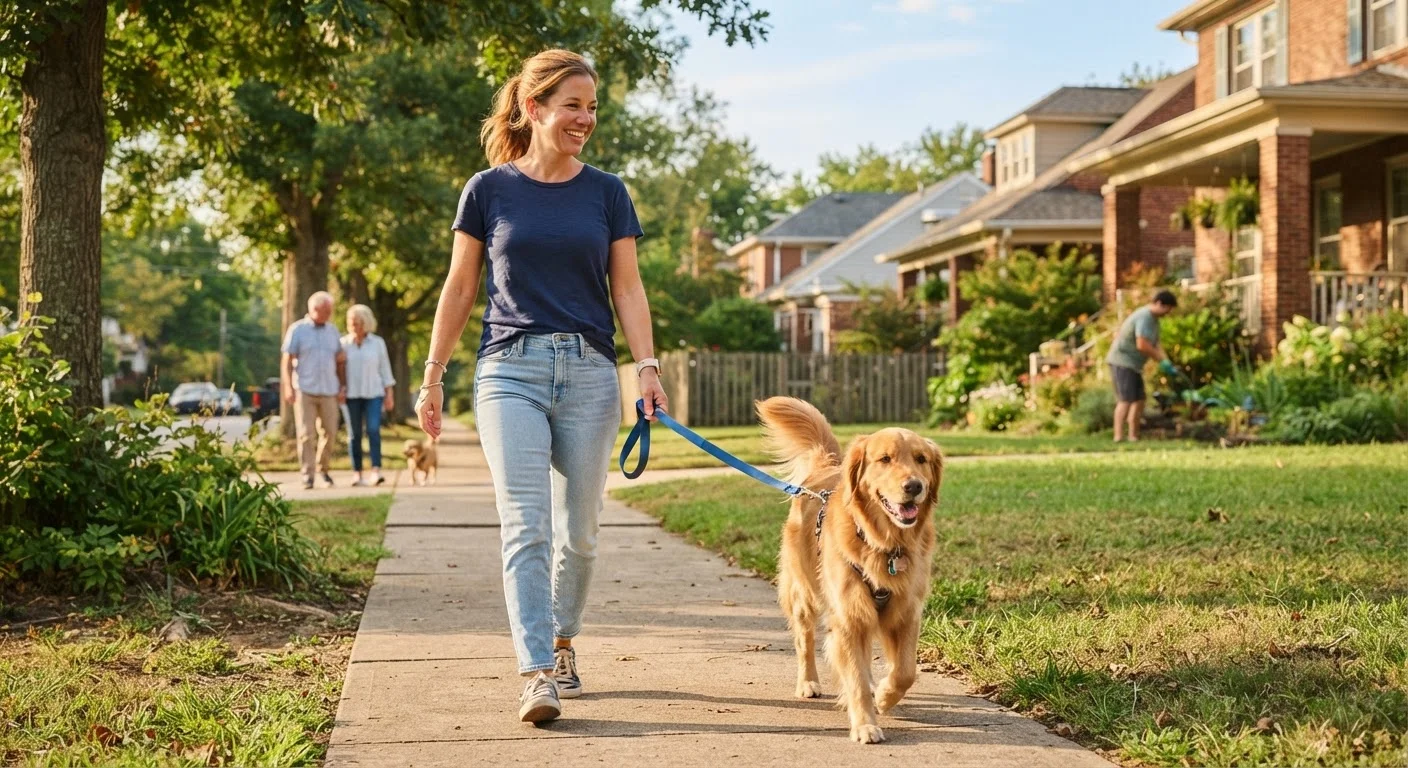
Keep your pet leashed in all areas that require it.
Off-leash dogs can frighten children, trigger aggression in on-leash dogs, and create liability if an interaction turns physical. Even a friendly dog who "never bites" can cause injury through jumping or chasing.
Address excessive noise before neighbors have to complain.
Persistent barking, howling, or screeching is one of the most disruptive forms of pet-related nuisance and can escalate into formal noise complaints or landlord involvement. The behavior is usually a signal that the animal's needs are not fully being met.
Introduce your pet carefully when moving into a new community.
A poor first impression — an aggressive lunge at a neighbor's dog, a scratched door, an odor-filled hallway — can define how the community perceives you as an owner for a long time. Structured introductions and gradual acclimation reduce reactivity.
Communicate proactively with neighbors about your pet.
Neighbors who feel informed rather than surprised are far more likely to be understanding when issues arise. A brief, friendly conversation sets a collaborative tone and can preempt formal complaints.
Start Today: Quick Actions That Make a Difference
You do not need to overhaul your entire routine to become a more considerate pet owner. A handful of targeted habits, applied consistently, can substantially reduce the friction your pet causes in shared spaces.
Pet owners who rent should also be aware of their additional obligations. Our guide to navigating leases, deposits, and landlord relationships covers how housing agreements intersect with community pet policies.
The Legal Side of Community Pet Ownership
Many community responsibilities are backed by enforceable law, not just social norm. Most U.S. municipalities require dogs to be licensed and carry identification; many also mandate microchipping. Failure to comply can result in fines or complications if your pet is ever lost or involved in an incident. Our guide to licensing, microchipping, and registration explains the most common requirements by ownership stage.
Requirements Vary by City and State
Leash laws, licensing rules, breed-specific regulations, and noise ordinances differ significantly across U.S. jurisdictions. What is permitted in one city may carry a fine in the next. Always verify the specific rules for your municipality rather than relying on general assumptions.
Animal cruelty laws also extend to neglect and conditions that affect neighboring animals or people — not only direct harm. For a fuller picture of owner obligations under the law, see what pet owners need to know about animal cruelty laws.
This article provides general information about community pet ownership responsibilities and is not legal advice. Requirements vary by jurisdiction — consult your local municipality or a qualified professional for guidance specific to your situation.
The content on this site is for informational purposes only and is not a substitute for professional advice. Always consult a qualified professional for guidance specific to your situation.